Article 2(3) land
What is article 2(3) land, and why does it restrict permitted development?
What is article 2(3) land, and why does it restrict permitted development?
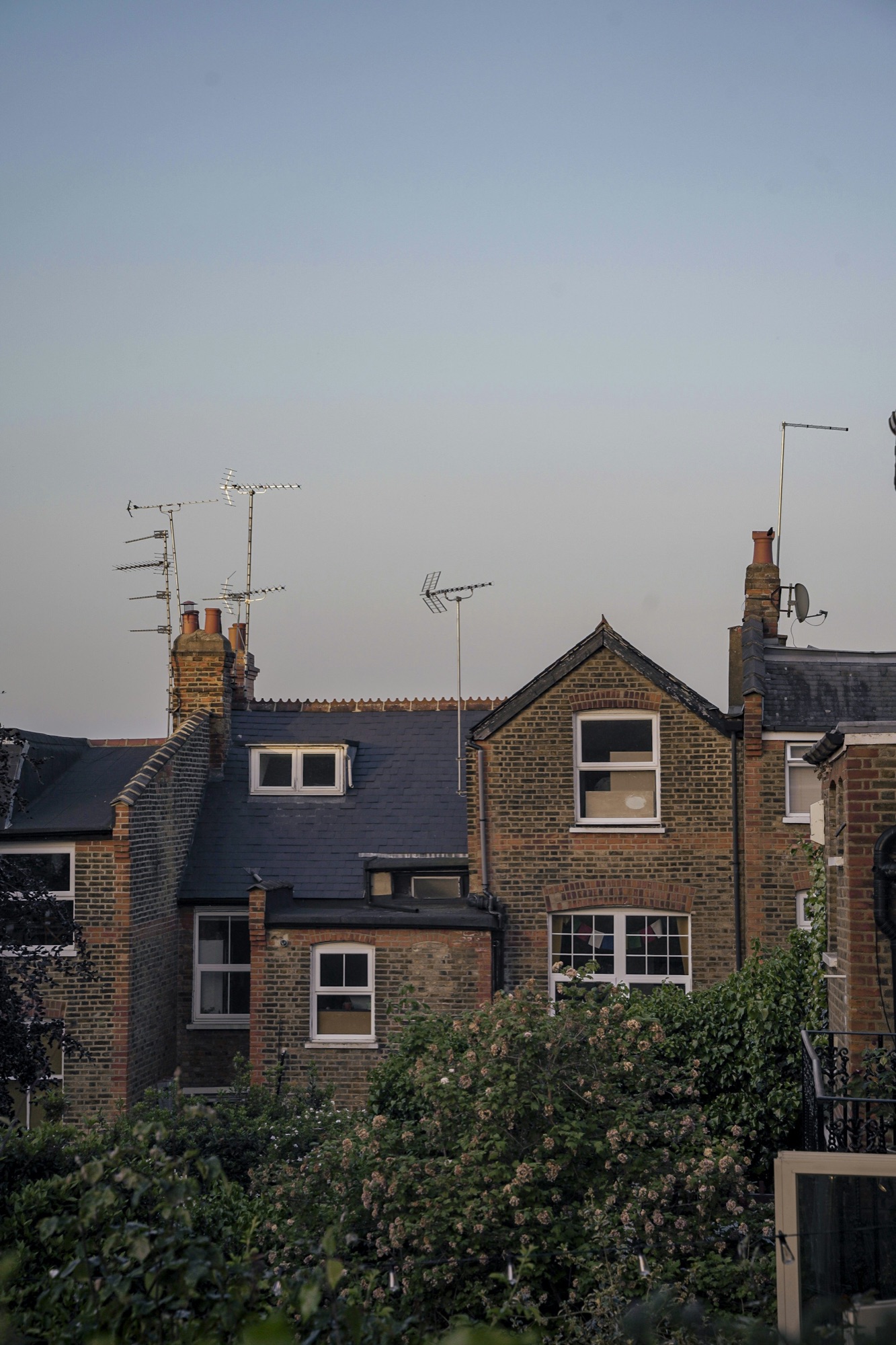
Article 2(3) land is land where permitted development is automatically more restricted: conservation areas, National Parks, the Broads, National Landscapes (AONBs) and World Heritage Sites. Several permitted development classes, including Class B roof additions, do not apply at all on article 2(3) land, which is why a loft dormer permitted two streets away can need a full application inside a conservation area.
What article 2(3) land means
The term comes from the General Permitted Development Order. It groups the most sensitive landscapes and historic areas and removes specific rights within them.
It is the mechanism behind one of the most common planning surprises: identical projects with different answers because one address is on article 2(3) land and the other is not.
“This provides permitted development rights for the enlargement of a house consisting of an addition or alteration to its roof.”PD technical guidance, Class B · full text in the library → · official source →
What it means for your project
If your address is in a conservation area or other article 2(3) land, do not assume the standard permitted development limits apply: check which classes are excluded for your project.
Roof additions (Class B) are the clearest example: they are removed entirely on article 2(3) land, so dormers there are a full application.
Where article 2(3) land matters most
Does article 2(3) land apply at your address?
A Planning Policy report applies the official rules to your exact property: the designations on your address, the policies that bear on your project (quoted verbatim), and what decided applications nearby show. Generated in minutes.