Planning permission for a loft conversion
Dormers are permitted development on one street and a full application on the next. The single rule that decides which, and the numbers behind local refusals.
Do you need planning permission for a loft conversion?
Dormers are permitted development on one street and a full application on the next. The single rule that decides which, and the numbers behind local refusals.
Class B: the roof addition rights
Rear dormers and roof enlargements are normally permitted development under Class B, within volume limits (40 cubic metres for terraces, 50 for other houses) and conditions on materials and siting.
“This provides permitted development rights for the enlargement of a house consisting of an addition or alteration to its roof.”PD technical guidance, Class B · full text in the library → · official source →
The rule that changes everything: article 2(3) land
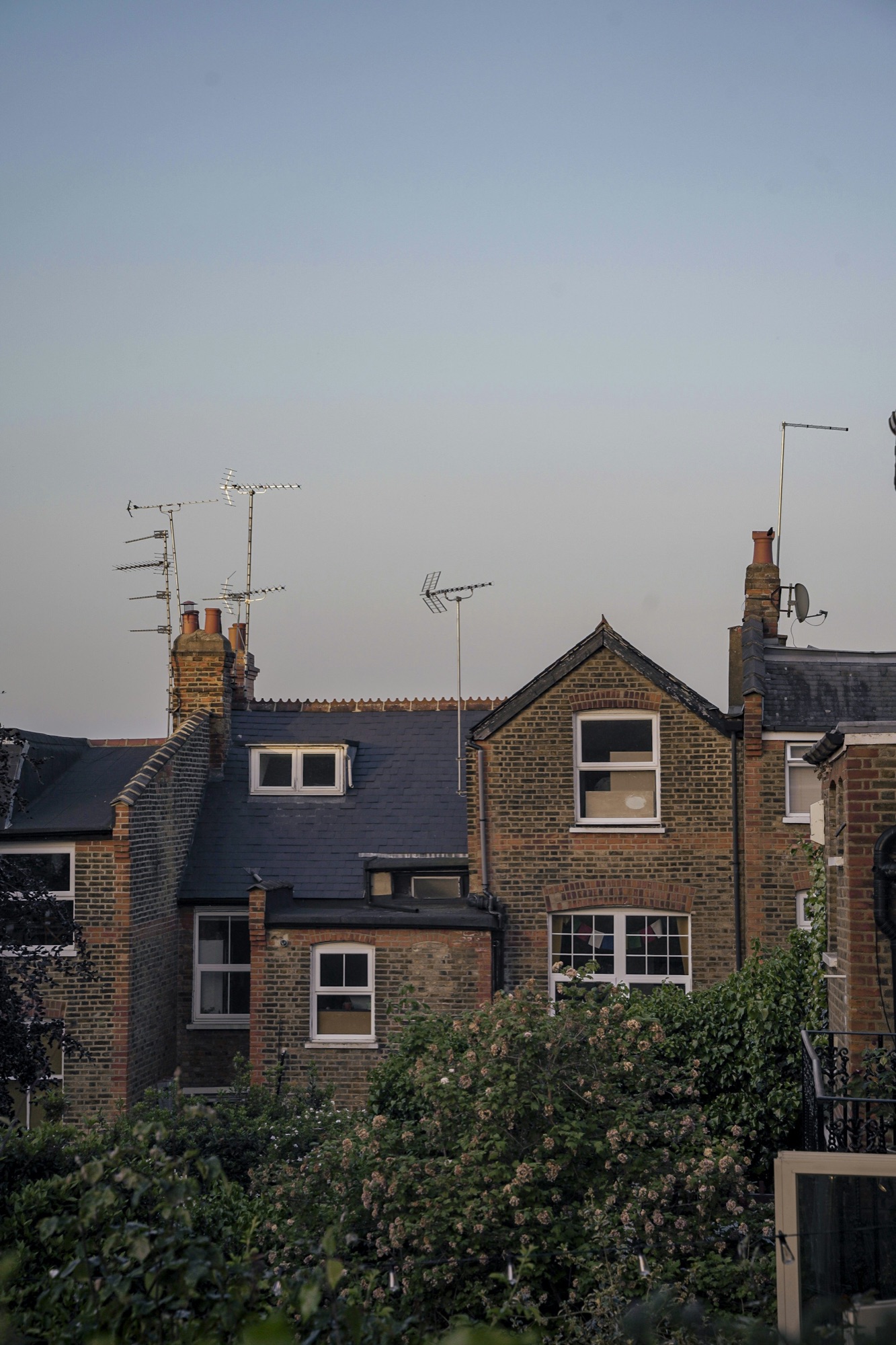
Class B rights do not apply on article 2(3) land, which includes every conservation area. A dormer that needs no application two streets away needs a full planning application inside the boundary, judged on how it treats the roofscape the area protects.
This is the most common surprise we see for loft projects, and it is entirely address-specific. Check before you design, not after.
What decides the application
Roofscapes are part of what conservation areas protect, uniform Victorian rooflines especially. Dormers that dominate the roof slope, break the ridge line or use the wrong cladding are the standard refusal. Where dormers already exist on your terrace, a matching, well-proportioned design has the pattern as evidence in its favour.
See it in a complete case study
In our Walthamstow example, 93 of 142 decided loft applications within 1 km were approved: 65%, the toughest rate in our example set.
General guidance ends where your address begins
A Planning Policy report reads the designations on your exact property, applies the policies above and your council’s own Local Plan to your project, and shows what decided applications nearby reveal: every quote verified against its source.