Loft conversion in Stoke-on-Trent
Do you need planning permission for a loft conversion in Stoke-on-Trent? Here is what the permitted development rules say, how Stoke-on-Trent City Council’s designations change them, and what decides an application, grounded in the official guidance and quoted verbatim.
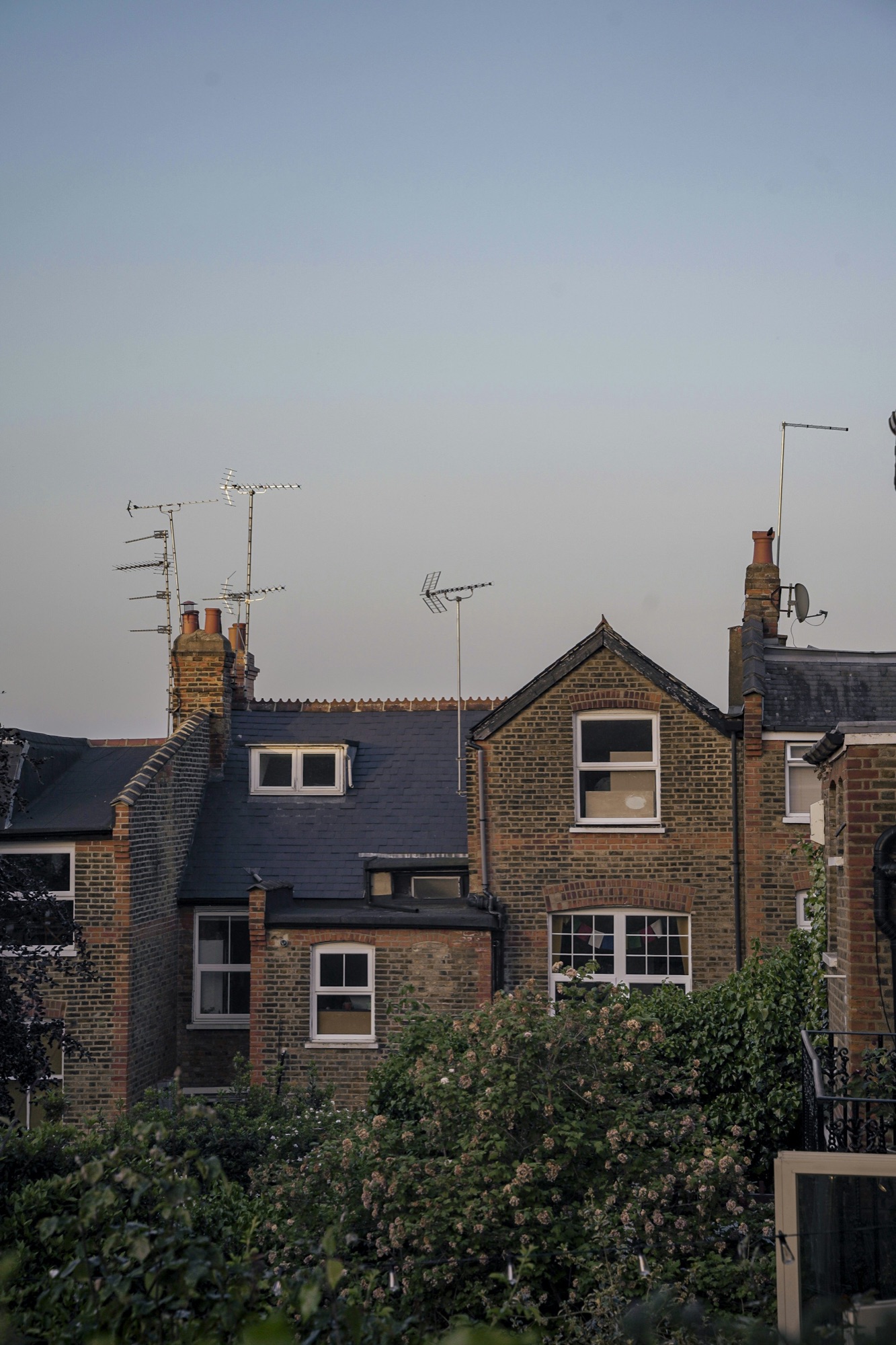
Do you need planning permission for a loft conversion in Stoke-on-Trent?
Rear dormers and roof enlargements are normally permitted development under Class B, within volume limits, but Class B rights do not apply on article 2(3) land, which includes every conservation area. In Stoke-on-Trent this matters: the borough has 22 conservation areas and 27 Article 4 directions, and inside those the permitted development route narrows or is removed, so a loft conversion can need a full application where it would not two streets away.
The starting point
Rear dormers and roof enlargements are normally permitted development under Class B, within volume limits, but Class B rights do not apply on article 2(3) land, which includes every conservation area.
“This provides permitted development rights for the enlargement of a house consisting of an addition or alteration to its roof.”PD technical guidance, Class B · full text in the library → · official source →
How Stoke-on-Trent’s designations apply
| Designation in Stoke-on-Trent | Published |
|---|---|
| Conservation areas | 22 |
| Article 4 directions (PD removed) | 27 |
| Listed building outlines | 212 |
Because loft conversion depends on permitted development rights restricted on article 2(3) land, the conservation areas above are decisive: inside one, expect to need a full application. Counts are read live from planning.data.gov.uk; your report checks them against your exact address.
What Stoke-on-Trent weighs
Inside a conservation area the dormer is judged on how it treats the roofscape: proportion, siting on the slope, the ridge line, and materials that defer to the original roof.
See a loft conversion in a real report
Seven designations and the toughest approval rate in this set: 65% of 142 nearby loft decisions, the case for designing to the rules first.
Get a planning report for your Stoke-on-Trent address
A Planning Policy report reads the designations on your exact Stoke-on-Trent address, quotes the Stoke-on-Trent City Council and national policies that apply to a loft conversion, and (on Pro) shows decided applications nearby with outcomes.